


 "The most important book written this century for Americans!"






Epstein Scandal Is the Epitome of How the U.S. Legal System "Works"


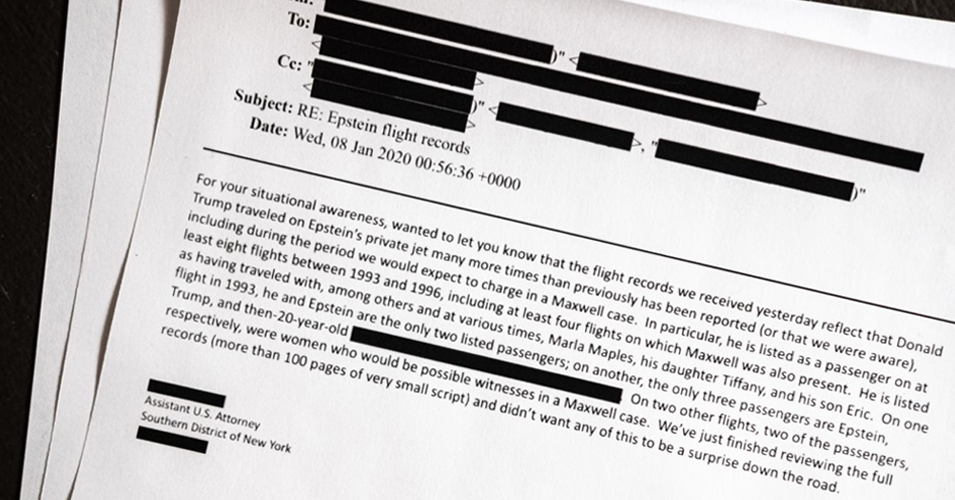
The Jeffrey Epstein scandal is widely considered one of the most prominent networks of elite corruption and abuse in modern history. It exposed a global web of billionaires, politicians, and celebrities who used their wealth to access exclusive networks, trade favors, and shield themselves from accountability. The scandal highlighted the dark reality of how the ultra-wealthy interact with power.
Key facets include:
1. Favors and Leverage: Epstein masterfully built his status by ingratiating himself with powerful figures. Unsealed court records and the "Epstein Files" detail a hidden world where super-elites traded favors, made introductions, and overlooked the wrongdoings of their allies.
2. Financial Complicity: Systemic failures within global finance enabled his operations. Recent United States Senate investigations, such as the probe into JPMorgan Chase, revealed how massive cross-border transactions connected to his sex trafficking ring were allowed to occur without timely reporting.
3. Institutional Impunity: The sheer depth of the network generated widespread public distrust. The scandal reinforced the perception among many that a separate set of rules exists for the powerful, as many of his associates avoided criminal prosecution despite their proximity to his activities. This scandal is a metaphor for our legal system in the United States, where there are two sets of rules; one for the wealthy, and one for the rest of us.
While Epstein’s criminal enterprise shocked the conscience of humanity, global reactions to the scandal largely view it as a stress test for institutional justice, revealing the stark consequences of unchecked wealth and influence. It is unlikely for the rapists, pedophiles, and child murderers to be ever see true justice in the eyes of the world and the victims. So grave is the scale, nature, systematic character, and transnational reach of these atrocities against women and girls, that a few of them may reasonably meet the legal threshold of crimes against humanity.
Under international criminal law, crimes against humanity occur when acts such as sexual slavery, rape, enforced prostitution, trafficking, persecution, torture, or murder are committed as part of a widespread or systematic attack against a civilian population, with knowledge of the attack. The experts warned the components and reported patterns may meet this threshold, and these crimes must be prosecuted in all competent national and international courts.
All the allegations contained in the "Epstein Files" are egregious in nature and require independent, thorough, and impartial investigation, as well as inquiries to determine how such crimes could have taken place for so long. The disclosure process is taking place under the Epstein Files Transparency Act, signed into law on November 19, 2025. On January 30, 2026, after some delays, the Department of Injustice released a major tranche of material, including more than 3 million pages, 2,000 videos, and 180,000 images.
Despite the scale of disclosures, experts warned of serious compliance failures and botched redactions that exposed sensitive victim information, with harm often occurring before records were withdrawn. Accountability has been limited, with only one close associate under investigation. Under international human rights law, states are obligated to prevent, investigate, and punish violence against women and girls, including acts committed by private actors.
The grave errors in the release process underscore the urgent need for victim-centered standard operating procedures for disclosure and redaction so that no victim suffers further harm. The experts hailed the courage and resilience of victims in seeking accountability at significant personal cost. A group of these survivors recently met with the UN Special Rapporteur on violence against women and girls and members of the U.S. Congress. The failure to safeguard their privacy puts them at risk of retaliation and stigma. The reluctance to fully disclose information or broaden investigations, has left many survivors feeling retraumatized and subjected to what they describe as “institutional gaslighting.”
The experts urged U.S. authorities to urgently remedy these failures, ensure full disclosure to understand methods of the criminal enterprise, full remedy and reparation for victims for all harms sustained, and end impunity for perpetrators. Statutes of limitations preventing prosecution of grave crimes attributed to the Epstein criminal enterprise must be lifted. Any suggestion that it is time to move on from the ‘Epstein files’ is unacceptable. It represents a failure of responsibility towards victims and a huge failure of the United States legal system. Resignations of implicated individuals alone are not an adequate substitute for criminal accountability. The United Nations welcomed steps by some governments to probe current and former officials and private individuals named in the files. They called on other countries to do the same.
Failure by governments to effectively investigate and prosecute those responsible for these crimes, including by complicity or acquiescence, where jurisdiction exists, risks undermining legal frameworks aimed at preventing and responding to violence against women and girls. It is imperative that governments act decisively to hold perpetrators accountable. No one is too wealthy or too powerful to be above the law. But the way the United States attorney general, Congress, our justice system, and the world has failed the victims is astonishing and a perfect metaphor for how people without means are denied justice. Meanwhile, those with power, influence, and money evade justice time and time again. If you are curious how our "justice" system truly operates, we encourage you to read a copy of our book, Stack the Legal Odds in Your Favor, so you can inform yourself about and protect yourself from the United States legal system, or as Tom aptly calls it, the world's largest crime syndicate. It is currently the only book in its class.
Comments
If you want to comment as a guest without signing in with social media and without signing up with Disqus:
1 – Enter your comment2 – Click in the Name box and enter the name you want associated with your comment
3 – Click in the Email box and enter your email address
4 – Select "I'd rather post as a guest"
5 – Validate the CAPTCHA and then click the arrow
comments powered by Disqus